
Have you ever stood in the dental care aisle comparing whitening strips, gels, toothpastes, pens, and trays and wondered which option actually makes sense? With so many products promising a brighter smile, choosing between professional teeth whitening and an over-the-counter product can quickly become confusing.
Professional whitening is one of the options available through cosmetic dentistry at Smart Dental in Richland. Rather than treating every type of discoloration the same way, professional care begins by evaluating your teeth, existing restorations, oral health, and the type of staining you want to address.
Store-bought products can have a place in a whitening routine. However, professional teeth whitening offers important advantages when you want treatment selected around your individual smile rather than a one-size-fits-all kit.
Why Teeth Become Discolored
To understand whitening, it helps to understand why teeth change color in the first place. Tooth shade varies naturally from person to person, and discoloration can develop for several reasons.
Surface stains often come from foods and drinks with strong pigments. Coffee, tea, red wine, dark sauces, and certain berries can gradually affect the appearance of enamel. Tobacco exposure can also cause noticeable staining.
Meanwhile, some color changes originate deeper within the tooth. Aging, dental trauma, certain medications, enamel thickness, and changes within the tooth itself can all influence shade. Because discoloration has different causes, not every stain responds equally to bleaching products.
A professional cosmetic evaluation can help determine whether whitening is likely to produce the type of change you want.
How Professional Teeth Whitening Works
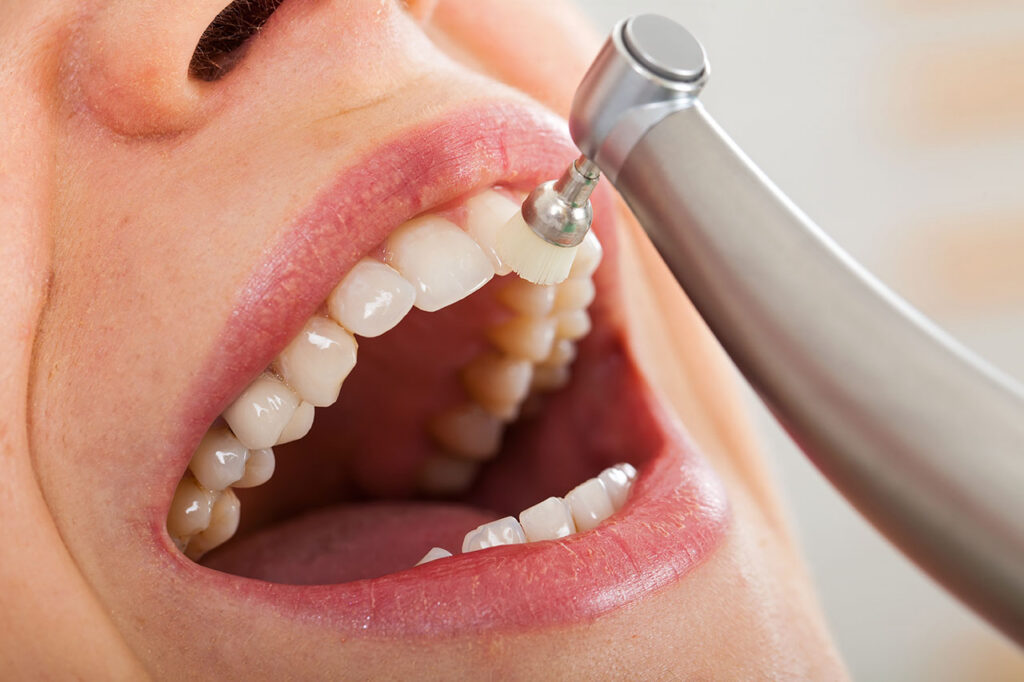
Professional whitening uses bleaching agents designed to break apart pigments that contribute to discoloration. Depending on the treatment approach, whitening may be performed in the dental office, through a professionally supervised take-home system, or through a combination of approaches.
The major difference is not simply that a professional product exists. Instead, the treatment is selected and monitored with knowledge of your oral health.
Before whitening, your dentist can check for concerns such as cavities, exposed root surfaces, cracked teeth, gum irritation, or restorations that may affect the final appearance. That assessment is valuable because whitening a tooth with an untreated problem may increase discomfort or produce an uneven cosmetic result.
Professional Teeth Whitening vs. Store-Bought Products
Both professional and retail whitening options aim to improve tooth shade, but they differ in customization, supervision, strength, fit, and predictability.
Customization
Professional teeth whitening can be planned around your starting shade, dental history, sensitivity, and goals. By contrast, store-bought products are manufactured for broad consumer use and cannot account for every individual dental condition.
Whitening Strength
Professional systems can use formulations and protocols intended for supervised dental treatment. Retail products generally use consumer-level formulations designed for unsupervised use.
Application
When trays are part of a professional whitening plan, they may be designed to improve contact with the teeth while controlling how the material is distributed. Generic trays or strips may fit some smiles better than others.
Dental Evaluation
Perhaps the most important difference is that professional whitening starts with a dental assessment. A dark tooth, for example, may not simply need stronger whitening. It may deserve additional evaluation to determine why its color changed.
Why Whitening Toothpaste Works Differently
Whitening toothpaste is frequently confused with bleaching treatment. Most whitening toothpastes primarily help remove external surface staining through cleaning and polishing ingredients. As a result, they may help teeth look cleaner or reduce some superficial discoloration.
However, toothpaste generally cannot change deeper tooth color in the same way peroxide-based bleaching can. That does not make whitening toothpaste ineffective. It simply means it serves a different purpose.
Patients who have sensitive teeth should also be thoughtful about highly abrasive products. More aggressive scrubbing does not necessarily create better whitening, and protecting enamel remains more important than chasing a particular shade.
Will Professional Whitening Work on Crowns, Fillings, or Veneers?
This is one of the most important questions to answer before cosmetic whitening. Bleaching products work on natural tooth structure, but they do not whiten dental restorations in the same way.
If you have a crown, tooth-colored filling, bonding, or veneer in a visible area, your dentist can help you anticipate how whitening may affect the overall color balance of your smile.
Sometimes whitening is completed before a new cosmetic restoration is selected so the restoration can be matched to the desired tooth shade. In other situations, existing dental work may influence the recommended cosmetic plan.
Smart Dental also provides restorative dentistry, which can be helpful when cosmetic goals involve teeth that also require structural repair.
What About Sensitive Teeth?
Temporary tooth sensitivity is one of the most common concerns associated with whitening. Some people experience very little sensitivity, while others notice brief reactions to cold air or beverages during treatment.
Professional supervision can be especially useful if you already have sensitive teeth. Your dentist can evaluate possible causes of sensitivity before whitening and may recommend adjustments to the frequency, duration, or method of treatment.
Importantly, persistent or significant sensitivity should not automatically be blamed on whitening. Cavities, gum recession, cracks, worn enamel, or other dental conditions can also produce symptoms. Therefore, unexplained sensitivity deserves an examination.
Benefits of Professional Teeth Whitening
- Personalized treatment planning: Whitening can be selected around your teeth, sensitivity, and cosmetic goals.
- Professional evaluation first: Your dentist can identify oral health concerns that may need attention before bleaching.
- More controlled application: Professional protocols are designed to manage where and how whitening material is used.
- Guidance for sensitivity: The treatment schedule can be adjusted when sensitivity is a concern.
- Better planning around restorations: Existing crowns, veneers, bonding, and fillings can be considered before treatment begins.
- Clear expectations: Your dental team can explain which types of discoloration are likely to respond and which may require another cosmetic approach.
- Ongoing support: You have a dental team to contact if questions or unexpected sensitivity occur.
How White Should Your Teeth Be?
There is no universal ideal tooth shade. A natural smile includes variations in translucency, brightness, shape, and color. Therefore, cosmetic dentistry is not necessarily about creating the brightest possible result.
A thoughtful whitening plan focuses on helping the teeth look cleaner and brighter while keeping the result consistent with your preferences and overall appearance.
Some patients want a noticeable change before a major event. Others simply want to reduce years of staining. Both are reasonable goals, and discussing the desired level of change before treatment helps set expectations.
How Long Can Whitening Results Last?
Whitening is not permanent because teeth continue to encounter foods, drinks, and other sources of staining. However, everyday habits can influence how quickly discoloration returns.
You can help maintain your result by brushing consistently, cleaning between your teeth, attending professional dental cleanings, and rinsing with water after strongly pigmented drinks when practical.
If you frequently drink coffee, tea, or red wine, using a straw when appropriate and avoiding prolonged sipping may also reduce contact time with the teeth. However, there is no need to eliminate every food you enjoy simply because you have whitened your smile.
Touch-up whitening may be recommended depending on your treatment method, habits, and preferences.
When Whitening May Not Be the Best Cosmetic Option
Professional teeth whitening can be excellent for many forms of discoloration, but some smile concerns require a different approach.
For example, whitening will not change tooth shape, close spaces, repair chips, or reposition teeth. It also cannot change the shade of porcelain or composite restorations.
If your goals involve several concerns at once, cosmetic dentistry in Richland may include other options in addition to whitening. Your dentist can explain the advantages and limitations of each approach so treatment does not become more complicated than necessary.
Is Store-Bought Whitening Ever Worth Using?
For some people, an over-the-counter whitening product may provide a modest improvement in surface appearance, particularly when staining is mild. The key is using a reputable product according to its instructions and understanding its limitations.
More product is not necessarily better. Leaving whitening material on longer than directed can increase irritation or sensitivity without producing a proportionally better result.
You should also be cautious about online whitening trends that use highly acidic, abrasive, or unverified ingredients. A product that temporarily makes teeth appear different is not helpful if it damages enamel or irritates gum tissue.
If you are unsure whether an at-home product is appropriate, ask your dentist before beginning. That simple conversation can help you avoid unnecessary sensitivity and wasted expense.
Questions Patients Ask About Teeth Whitening
Does professional teeth whitening damage enamel?
Professional whitening is planned to brighten natural teeth using established dental materials and treatment protocols. Following instructions is important because overuse of any whitening product can contribute to sensitivity or irritation.
Can yellow teeth become whiter?
Many forms of yellow or external discoloration respond to bleaching, although results vary. The cause of the color change matters, which is why an evaluation is useful.
Can I whiten my teeth before getting veneers or crowns?
In some cosmetic treatment plans, whitening natural teeth before selecting the shade of a new restoration can help coordinate the final appearance. Your dentist can recommend the appropriate sequence.
How quickly does professional whitening work?
The timeline depends on the system used, your initial tooth shade, the type of staining, and the result you want. Some professional approaches are designed for noticeable changes within a relatively short treatment period, while others progress more gradually.
Choose a Whitening Plan That Fits Your Smile
A brighter smile should begin with healthy teeth and realistic expectations. Professional teeth whitening gives you the advantage of a dental evaluation, individualized guidance, and a treatment approach selected around your specific needs rather than a generic package.
If you are considering professional teeth whitening in Richland, Smart Dental at 3200 Duportail St Suite 105 can help you decide which cosmetic option fits your goals. Call Us Today at (509) 492-2051 to Schedule a Consultation, or Contact Us to request an appointment.