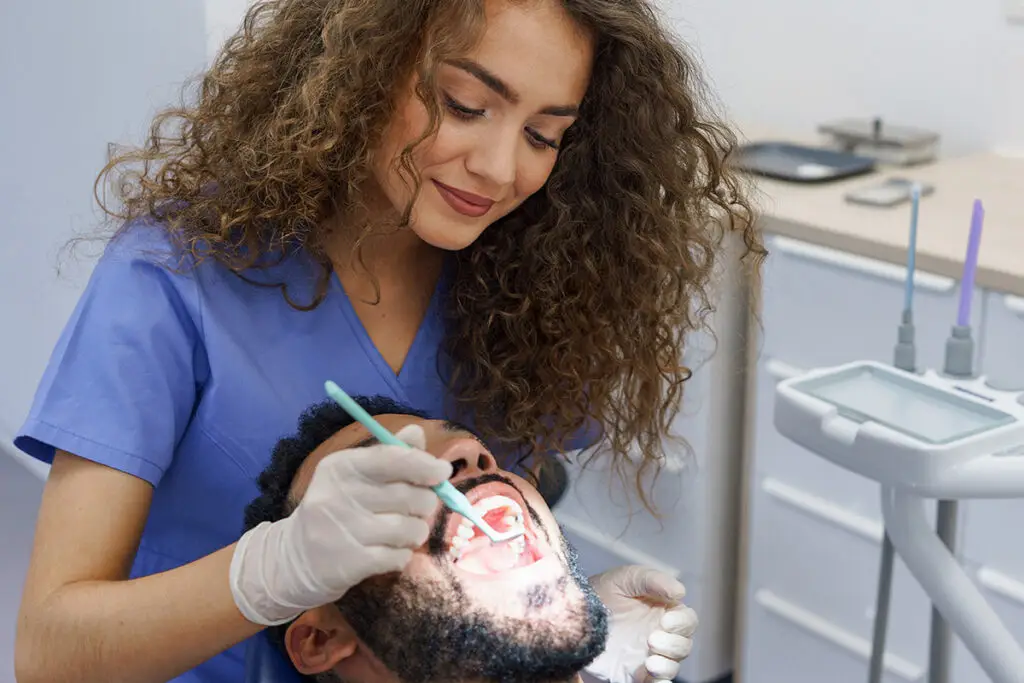
When your dentist examines your mouth, are they looking for more than cavities and gum problems? Yes. A comprehensive dental examination can also include an evaluation of the lips, tongue, cheeks, throat area, and other oral tissues for unusual changes that may deserve closer attention.
At Smart Dental, comprehensive screenings are part of preventive dentistry in Richland. Oral cancer screening is designed to identify suspicious changes that may not be obvious to the patient. A screening does not diagnose cancer, but it can help identify areas that may need monitoring, additional testing, or evaluation by another healthcare professional.
Because many changes inside the mouth are painless, routine evaluation can be valuable even when everything feels normal. Knowing what a dentist looks for, what the screening involves, and which changes you should report can make preventive visits easier to understand.
What Is an Oral Cancer Screening?
An oral cancer screening is an examination of the mouth and surrounding structures for unusual tissue changes. Dentists routinely work in areas of the mouth that patients cannot easily inspect themselves, which makes dental visits a practical opportunity to evaluate oral tissues.
The screening typically involves a visual examination and, when appropriate, gentle palpation of certain areas. The dentist may look at the lips, cheeks, gums, tongue, floor of the mouth, roof of the mouth, throat area, and other accessible tissues.
If an unusual area is found, that does not automatically mean cancer is present. Many sores, color changes, lumps, and irritated areas have benign causes. However, certain findings deserve follow-up because visual appearance alone cannot always determine exactly what a tissue change represents.
Why Is Oral Cancer Screening Part of a Dental Visit?
Dentists routinely examine the entire mouth, not only the teeth. Consequently, they are in a useful position to notice changes in oral tissues during preventive visits.
A patient may not see a spot beneath the tongue or toward the back of the mouth. Likewise, a painless change may not attract attention during normal eating or brushing.
Including a soft tissue examination as part of preventive care provides an opportunity to identify something unusual and determine whether it should simply be monitored or evaluated further.
Importantly, oral cancer screening is a screening process, not a definitive diagnosis. If an area raises concern, additional evaluation or a biopsy may be necessary to determine the cause.
What Does the Dentist Look for During an Oral Cancer Screening?
The dentist looks for changes that differ from the surrounding tissue or that appear unusual based on location, texture, color, shape, or persistence.
Examples of findings that may deserve attention include:
- A sore that has not healed as expected
- Persistent red or white patches
- A lump, thickened area, or unusual swelling
- A persistent rough area
- Unexplained bleeding
- Changes in the appearance of the tongue
- An area that feels firm compared with surrounding tissue
- Persistent irritation without an obvious explanation
Again, these findings can occur for many reasons unrelated to cancer. Biting the cheek, hot foods, sharp teeth, poorly fitting dental appliances, infections, and other conditions can create temporary changes.
The duration and behavior of the area help the dentist decide what type of follow-up is appropriate.
What Happens During the Screening?
Oral cancer screening is generally incorporated into the dental examination and is usually quick and comfortable.
Visual Examination
The dentist examines visible tissues under good lighting. A mirror may be used to improve visibility in areas that are difficult to see directly.
Examination of the Tongue
The top, sides, and accessible underside of the tongue may be evaluated because changes can occur in areas that are not easy for patients to inspect at home.
Evaluation of the Cheeks and Gums
The tissues lining the cheeks and the gums are checked for abnormal color, texture, swelling, ulcers, or other changes.
Checking the Floor and Roof of the Mouth
The dentist may examine beneath the tongue as well as the hard and soft areas of the roof of the mouth.
Gentle Palpation
Depending on the examination, the dentist may gently feel certain tissues or areas around the jaw and neck for unusual firmness, swelling, or other changes.
If something deserves a closer look, the dentist will explain what was observed and what follow-up is recommended.
Does Oral Cancer Screening Hurt?
A routine visual oral cancer screening is generally painless. The dentist is primarily looking at and gently feeling oral tissues.
If you already have a sore or tender area, touching that location may be uncomfortable. Let your dentist know where you are experiencing symptoms so the examination can be performed thoughtfully.
If a suspicious area later requires a biopsy or another diagnostic procedure, that is separate from the routine screening examination. Your dentist or specialist will explain what the additional procedure involves.
Does Finding an Unusual Spot Mean You Have Oral Cancer?
No. This is an important distinction.
Many oral tissue changes are caused by irritation, trauma, infections, canker sores, burns, dental appliances, or other noncancerous conditions. A dentist may discover an area and recommend watching it for a short period to see whether it resolves.
In other cases, the appearance, location, duration, or other characteristics may make additional evaluation appropriate.
An oral cancer screening identifies areas that may deserve attention. It cannot confirm a cancer diagnosis. Definitive diagnosis generally requires evaluation of tissue, often through biopsy and laboratory analysis.
What Symptoms Should You Tell Your Dentist About?
Do not wait for the dentist to discover every concern. Tell the dental team if you have noticed a persistent change, even if it does not hurt.
Symptoms worth discussing include a sore that does not seem to heal, persistent hoarseness, unexplained difficulty swallowing, a lump, ongoing numbness, persistent throat discomfort, unexplained oral bleeding, or an area that repeatedly becomes irritated.
Some of these symptoms can have causes unrelated to oral cancer. However, persistent or unexplained changes deserve professional evaluation rather than self-diagnosis.
Who Can Develop Oral Cancer?
Oral cancer can affect adults with different backgrounds and health histories. Certain exposures and habits can increase risk, but a person does not need to fit a specific stereotype to develop an oral abnormality.
Tobacco exposure is an established risk factor for several oral cancers. Heavy alcohol use can also contribute to risk, particularly when combined with tobacco exposure. Some oral and throat cancers are associated with specific types of human papillomavirus, commonly called HPV.
Age and cumulative exposure can also influence risk. However, screening decisions should not be based solely on whether a person believes they are high risk.
Routine dental examinations give the dentist an opportunity to evaluate oral tissues regardless of whether symptoms are present.
Benefits of Oral Cancer Screening
- Checks areas patients may not easily see: Dentists can examine the sides and underside of the tongue, back areas of the mouth, and other locations that are difficult to inspect at home.
- Can identify painless changes: Not every concerning oral change causes discomfort.
- Fits naturally into preventive care: Screening can be incorporated into a comprehensive dental examination.
- Creates a baseline: Routine examinations help the dentist become familiar with the normal appearance of a patient’s mouth.
- Supports appropriate follow-up: Suspicious areas can be monitored, reassessed, or referred for further evaluation.
- Encourages patient awareness: Dental visits provide an opportunity to discuss persistent sores, lumps, or tissue changes.
- Looks beyond the teeth: Oral health includes the gums, tongue, cheeks, lips, and other soft tissues as well as the teeth.
How Often Should Oral Cancer Screening Be Performed?
The appropriate frequency depends on your individual health history, risk factors, symptoms, and the dentist’s clinical judgment.
Soft tissue evaluation is often incorporated into routine dental examinations. However, a patient with a suspicious change or specific risk factors may need additional follow-up rather than waiting until the next routine preventive visit.
If you notice a new area that is not healing as expected, contact the office. You do not need to wait for a regularly scheduled cleaning to mention an oral concern.
Can You Check Your Mouth at Home?
Home awareness can complement professional examinations. Periodically noticing how your tongue, cheeks, gums, and lips normally look may make it easier to recognize a change.
However, at-home checks are not a substitute for professional screening. Some areas are difficult to see, and patients do not have the training or clinical perspective needed to interpret every variation in oral tissue.
If you notice an unusual area, avoid repeatedly touching or irritating it. Instead, pay attention to how long it has been present and schedule an evaluation when appropriate.
What Happens If the Dentist Finds Something Unusual?
The recommended follow-up depends on what the dentist sees and the likely cause.
If the area appears consistent with recent trauma or irritation, the dentist may suggest removing the source of irritation and rechecking the tissue after an appropriate period.
If the finding is persistent or has characteristics that require further investigation, the dentist may recommend evaluation by an oral surgeon, oral medicine specialist, ear, nose and throat physician, or another qualified healthcare professional.
A biopsy may be recommended when tissue needs laboratory examination. The important point is that referral does not itself mean cancer has been diagnosed. It means more information is needed.
Can Dentures or Dental Appliances Cause Mouth Sores?
Yes. A removable denture or other appliance that rubs against oral tissue can create irritation. Sharp or broken teeth can also traumatize the tongue or cheek.
However, persistent sores should not automatically be blamed on an appliance without evaluation. If a denture repeatedly creates an irritated area, the fit may need adjustment.
Smart Dental provides restorative dentistry in Richland and can evaluate damaged teeth, existing dental work, and other factors that may contribute to recurring irritation.
What Can You Do to Support Oral Health Between Visits?
Consistent oral hygiene remains important for your teeth and gums. Brush twice daily with fluoride toothpaste, clean between your teeth every day, and attend preventive visits according to the schedule recommended for you.
Avoid tobacco products. If you drink alcohol, consider your overall consumption and discuss health questions with an appropriate healthcare professional.
Most importantly, pay attention to changes that persist. A painless spot is easy to ignore, but lack of pain does not necessarily mean that an oral change should be dismissed.
Questions Patients Ask About Oral Cancer Screening
Is oral cancer screening part of a normal dental examination?
Soft tissue evaluation can be incorporated into a comprehensive dental examination. The exact examination is based on the patient’s needs and the dentist’s clinical judgment.
Does an oral cancer screening diagnose cancer?
No. Screening identifies areas that may need further attention. A definitive diagnosis generally requires additional evaluation and, when indicated, biopsy and laboratory examination.
Does oral cancer always hurt?
No. Some abnormal changes may cause little or no discomfort, which is one reason visual and physical examination of oral tissues can be valuable.
Should I call my dentist about a sore in my mouth?
Many minor sores resolve on their own, but an area that persists, repeatedly returns, or has other concerning features should be professionally evaluated.
Can people who do not smoke develop oral cancer?
Yes. Tobacco is an important risk factor, but people without a history of tobacco use can still develop oral cancer or other oral abnormalities.
Make Soft Tissue Health Part of Routine Dental Care
Dental examinations are about more than finding cavities. Looking carefully at the tongue, cheeks, gums, lips, and other oral tissues allows your dentist to identify changes that may deserve monitoring or additional evaluation. Most unusual spots are not automatically cancer, but persistent or unexplained changes should not be ignored.
If you are due for a comprehensive dental examination in Richland, WA, Smart Dental at 3200 Duportail St Suite 105 can help you stay proactive about your oral health. Call Us Today at (509) 492-2051 to Book an Appointment, or Contact Us to request your visit.