Emergency Dentistry In Richland: When To Call And What To Do Before You Arrive

Published on Dec 1, 2025 | 5 minute read
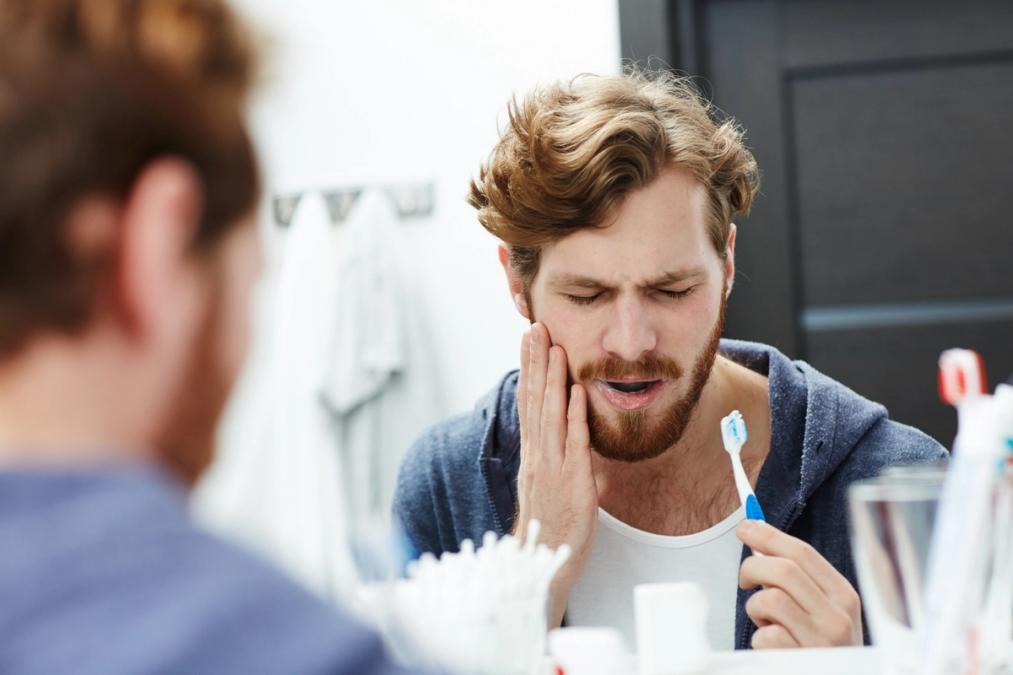
Man with toothache holding jaw and toothbrush in bathroom mirror.

Tooth pain doesn’t follow office hours. A cracked tooth during dinner, a knocked-out tooth at soccer practice, or a throbbing molar on a Sunday morning can throw your whole week off. The good news? With the right steps—and quick help from a team that handles urgent dental issues every day—you can protect your smile and your peace of mind. This guide explains what counts as a true dental emergency, what to do right now, and how Smart Dental in Richland helps you feel better fast.

What Counts As A Dental Emergency?

Not every chip requires an urgent visit, but these situations usually do:

  • Severe toothache that disrupts sleep or daily life
  • Swelling in your face or gums, especially if it spreads or is accompanied by fever
  • Knocked-out (avulsed) tooth—time is critical
  • Cracked or fractured tooth, particularly with pain on biting or sensitivity to temperature
  • Lost filling or crown causing pain or sharp edges
  • Abscess or pimple-like bump on the gums with foul taste or drainage
  • Post-surgical complications, such as prolonged bleeding or dry socket

If you’re unsure, call us—we’ll help you triage over the phone and reserve the right type of appointment. For more details on our approach, see our Emergency Dentistry page.

First Aid You Can Do At Home (Right Now)

  • Severe Toothache: Rinse with warm saltwater, floss gently around the area to remove trapped food, and use a cold compress for swelling. Avoid aspirin directly on the gum—it can burn tissue.
  • Knocked-Out Adult Tooth: Handle it by the crown, not the root. If it’s clean, gently reinsert into the socket and bite on a clean cloth. If not, store in milk or a tooth preservation kit. Get to us within 30–60 minutes for the best chance of saving it.
  • Broken Tooth or Filling: Save any pieces, rinse your mouth, and use temporary dental cement from a pharmacy to cover sharp edges.
  • Lost Crown: Try to place it back over the tooth with a tiny amount of dental cement; avoid superglue.
  • Bleeding After Extraction: Fold gauze or a tea bag over the site and bite firmly for 20–30 minutes. If bleeding persists, call us.

Pain Relief: What’s Safe?

Over-the-counter medications can help in the short term. Acetaminophen can reduce pain; ibuprofen helps with pain and inflammation (when medically appropriate). However, if you have a swelling or fever, don’t postpone care—infection needs professional treatment. We’ll assess whether antibiotics, drainage, or definitive care are indicated.

What Happens At An Emergency Visit?

We start with a focused exam, a digital X-ray if needed, and a conversation about your symptoms and medical history. Then we discuss options to relieve pain quickly and stabilize the tooth. Depending on the diagnosis, same-day treatments might include:

  • Smoothing sharp edges and bonding a protective material
  • Placing a temporary or permanent filling or crown
  • Beginning root canal therapy to stop infection and pain
  • Draining an abscess and prescribing appropriate medications
  • Providing targeted instructions for at-home care and follow-up

If restorative or cosmetic care is needed after the emergency is under control, we’ll map out a plan with clear timelines and costs. Explore Restorative Dentistry for common next steps.

Kids And Dental Emergencies

Children are active—chips and bumps happen. Call us for guidance right away, especially for knocked-out or displaced teeth. For baby teeth that are knocked out, do not reinsert; for adult teeth, follow the reinsertion steps above and come in urgently.

Preventing The Next Emergency

While accidents happen, you can lower risks:

  • Wear a custom athletic mouthguard for sports
  • Address grinding/clenching with a night guard
  • Repair small cracks or cavities before they escalate
  • Keep up with preventive checkups to catch problems early (see Preventive Dentistry)

When To Go To The ER

Head trauma, uncontrolled bleeding, or swelling that affects breathing or swallowing requires immediate emergency medical care. For dental-specific emergencies without airway concerns, call your dentist first—treatment is faster and more targeted.

Need urgent care now? Call Smart Dental in Richland at (509) 492-2051 to Call Us Today. We’ll guide you step by step and reserve the soonest available time to get you out of pain.

Make Quality Care Affordable

Explore Your Financial Options Today

a woman is smiling while sitting in a dental chair .