Emergency Dentistry in Richland: Urgent Help Now

Published on Feb 19, 2026 | 5 minute read
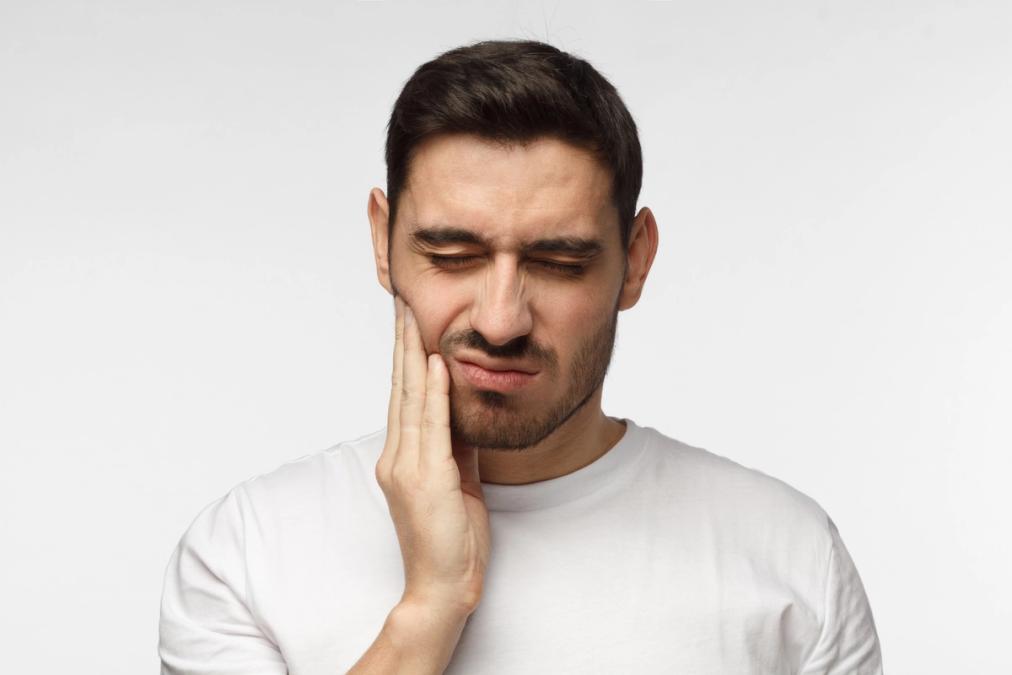
A man grimacing and holding his jaw in pain.

A dental emergency is stressful because it’s unpredictable—and because it often hurts. Whether you’ve broken a tooth, lost a crown, or developed sudden pain that won’t quit, Smart Dental in Richland offers Emergency Dentistry to get you comfortable quickly and protect your tooth whenever possible.

This guide explains what counts as an emergency, what to do immediately, and how emergency visits typically lead into restorative solutions like fillings, crowns, bridges, or extractions when needed (services Smart Dental lists under Restorative Dentistry and Wisdom Teeth Extractions).

What Counts As A True Dental Emergency?

These issues usually deserve prompt care:

  • Severe toothache that wakes you up or prevents chewing
  • Facial swelling or gum swelling
  • Broken tooth with pain or sharp edges
  • Lost filling or crown causing sensitivity or discomfort
  • Tooth knocked loose or displaced
  • Signs of infection (bad taste, draining bump, fever)
  • Pain after a recent extraction that worsens after initial improvement

Not sure if it’s an emergency? Call—getting guidance early can prevent bigger complications.

First Steps At Home (Before You Arrive)

If You Have A Broken Tooth

  • Rinse with warm water
  • Use a cold compress for swelling
  • Avoid chewing on that side
  • Save any tooth fragments if possible
  • If edges are sharp, cover gently with wax or temporary dental material from a pharmacy

If You Lost A Filling Or Crown

  • Keep the crown if it came off
  • Avoid sticky foods and chewing on the tooth
  • If the area is sensitive, avoid extreme hot/cold drinks
  • Temporary dental cement can help reduce sensitivity until your visit

If You Have Swelling

Swelling can indicate infection. Use a cold compress and call promptly. Do not “wait it out” if swelling spreads or is accompanied by fever.

What Happens During An Emergency Appointment?

Emergency visits are focused and efficient. We typically:

  1. Review symptoms and medical history
  2. Examine the tooth and surrounding tissues
  3. Take imaging as needed to identify the cause
  4. Prioritize pain relief and stabilization
  5. Discuss your best next steps clearly

The goal is to get you out of discomfort and prevent the issue from worsening.

Common Diagnoses Behind Sudden Pain

Tooth pain isn’t one-size-fits-all. Emergency pain commonly comes from:

  • Deep decay close to the nerve
  • Cracks that worsen when biting
  • Infected gum tissue around a tooth
  • A failing filling or crown
  • An abscess requiring urgent management
  • A wisdom tooth flare-up causing pressure and inflammation

Once we identify the cause, we’ll recommend the solution that protects your health and your long-term comfort.

How Emergency Dentistry Connects To Restorative Dentistry

Many emergencies are the result of a tooth that has been weakened over time. After the urgent pain is controlled, the long-term solution often falls under Restorative Dentistry services such as:

  • Fillings for manageable decay
  • Crowns for cracked or heavily filled teeth
  • Bridges or dentures when teeth are missing
  • Extractions when a tooth can’t be restored
  • Dental implants when you want a strong, permanent replacement after tooth loss

The emergency visit is often step one: stabilize now, restore next.

If You Break A Tooth—Can It Be Saved?

Many broken teeth can be saved if treated quickly. The deciding factors include:

  • How deep the break goes
  • Whether the nerve is involved
  • If there’s a crack extending under the gumline
  • How much healthy structure remains
  • Your bite forces and grinding habits

A quick evaluation helps avoid worsening fractures that reduce repair options.

Dental Anxiety During Emergencies

Emergencies are already stressful. If you’re anxious, tell the team right away. Smart Dental offers Sedation Dentistry options, including nitrous oxide and oral sedation, to help you relax during urgent care or follow-up treatment.

Preventing Future Emergencies

While accidents happen, these habits reduce risk:

  • Address small cracks and cavities early
  • Wear protection during sports if you’re prone to injury
  • Avoid chewing ice and hard items
  • Keep up with preventive cleanings and exams
  • If you clench or grind, protect your teeth to reduce fractures over time

The Bottom Line

Emergency dentistry isn’t just about quick fixes—it’s about stopping pain, protecting your tooth, and creating a plan that prevents repeat problems.

If you’re in pain or something broke unexpectedly, don’t wait. Call Smart Dental in Richland at (509) 492-2051 to Call Us Today and get help as soon as possible.

Make Quality Care Affordable

Explore Your Financial Options Today

a woman is smiling while sitting in a dental chair .