Call Now
509-492-2051
Published on Dec 15, 2025 | 4 minute read
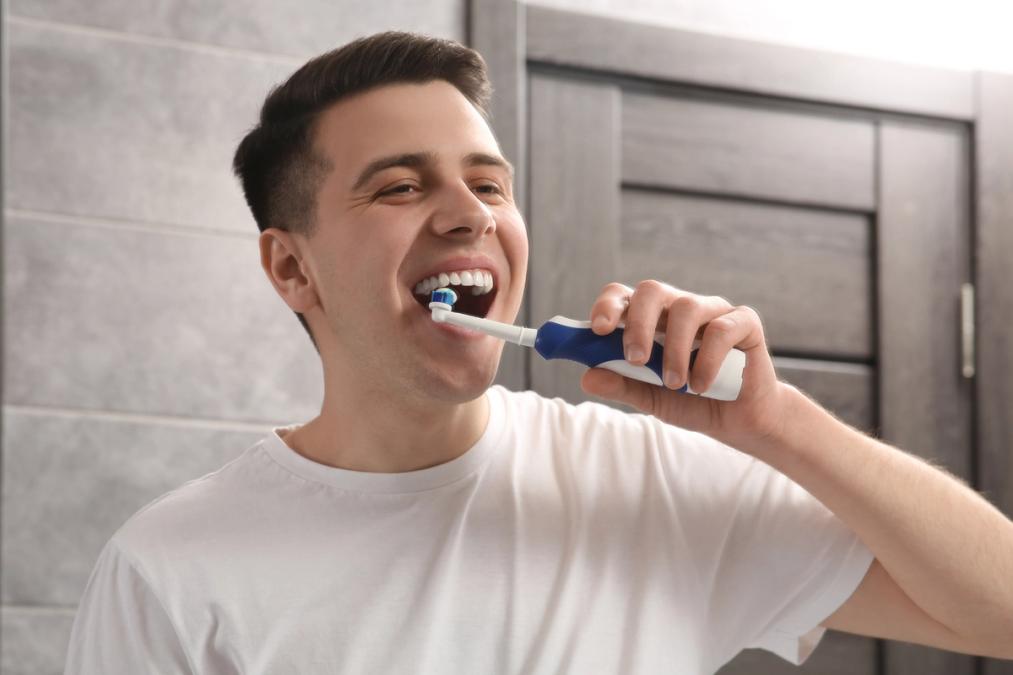
Does your mouth feel parched no matter how much water you drink? Chronic dry mouth (xerostomia) can make eating difficult, increase cavities, and affect your confidence. The key is understanding what’s causing it—and building a layered plan that restores comfort and protects your teeth.
Saliva neutralizes acids, delivers minerals that remineralize enamel, and provides antimicrobial action. Without it, plaque bacteria flourish, cavities form faster, and gums can become irritated. Protecting saliva isn’t just about comfort—it’s central to oral health.
Look for saliva substitutes, gels, or moisturizing sprays that provide long-lasting relief, especially overnight. High-fluoride toothpaste or prescription-strength fluoride can fortify enamel and reduce cavity risk. We’ll recommend a brand and dosing schedule that fits your needs at your next visit.
Depending on the cause and severity, we may suggest:
Explore the preventive side of care on our Preventive Dentistry page and ask how we tailor plans for dry mouth patients.
Choose soft, moist foods like yogurt, oatmeal, soups, and smoothies. Add olive oil or avocado to dishes for easier swallowing. Keep water or xylitol lozenges with you, and consider a small oral moisturizer before long conversations or workouts.
Dry mouth can lead to root surface cavities and gum inflammation. We’ll create a proactive plan: topical fluoride, gentle polishing, and coaching on daily routines that work with your schedule. If sensitivity pops up, we can apply desensitizers or adjust your home products.
If dryness persists for more than a few weeks, or if you notice burning sensations, difficulty swallowing, cracked lips, or new cavities, schedule a visit. The sooner we intervene, the easier it is to prevent complications.
Ready for lasting relief? Contact Smart Dental in Richland at (509) 492-2051 to Schedule a Consultation, or reach us via our Contact page for personalized recommendations.