
Can a cavity develop even when your tooth does not hurt? Absolutely. In fact, many areas of tooth decay begin quietly, which is one reason routine dental examinations can make such a meaningful difference. Catching a small problem early may allow your dentist to repair the tooth before more of its natural structure is affected.
For patients who need to repair decay or minor tooth damage, tooth-colored fillings and restorative dentistry can help rebuild strength while maintaining a natural appearance. At Smart Dental in Richland, WA, restorative care is planned around the condition of the tooth, your bite, and the amount of healthy tooth structure remaining.
If you have been told that you need a filling, or you are wondering whether sensitivity or a dark spot could indicate a cavity, understanding how tooth-colored fillings work can make the treatment decision much easier.
What Is a Tooth-Colored Filling?
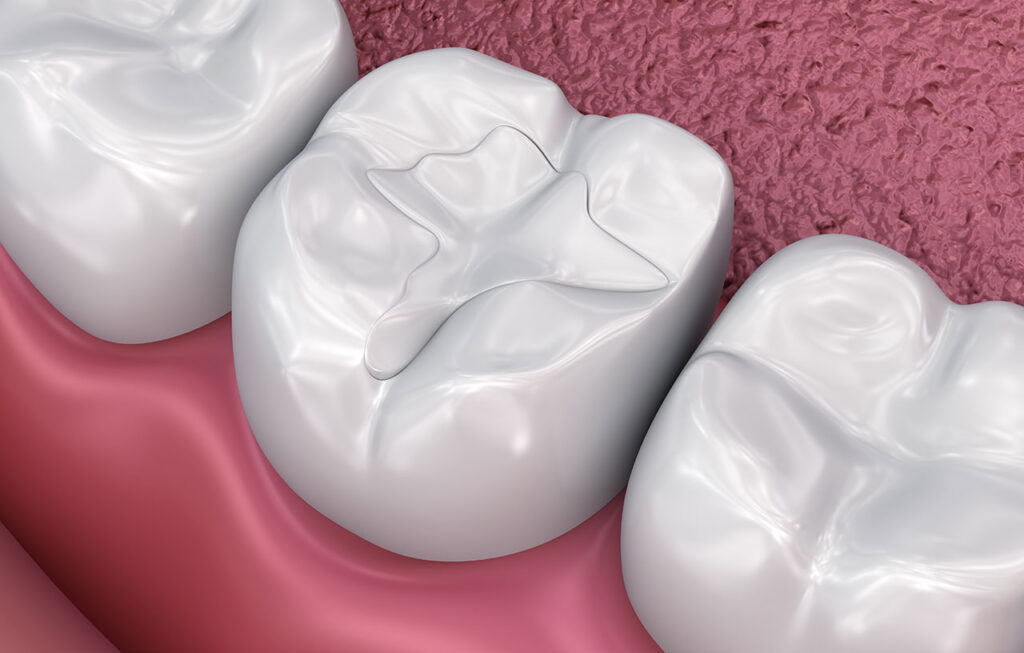
A tooth-colored filling is a restoration used to repair a relatively small area of decay, wear, or damage. Instead of using a metallic material, tooth-colored fillings are generally made from composite resin that can be selected to coordinate closely with the surrounding enamel.
The purpose of the filling is not simply cosmetic. Once decay has damaged a portion of a tooth, the compromised material must be removed and the remaining space restored. A filling helps rebuild the tooth so that it can withstand normal biting and chewing forces.
Because composite material can bond directly to tooth structure, dentists can often make a conservative repair while maintaining as much healthy enamel as reasonably possible. However, the right restoration depends on how much of the tooth has been affected. A small cavity may be appropriate for a filling, while extensive damage may require a stronger restoration such as a dental crown.
Common Signs You May Need a Dental Filling
Cavities do not always cause symptoms. However, several changes can indicate that a tooth deserves professional attention.
- Sensitivity to cold, sweets, or certain foods
- A visible dark, brown, or discolored area on a tooth
- Food repeatedly becoming trapped in the same location
- A rough area that you can feel with your tongue
- Discomfort while biting or chewing
- A chipped edge around an older filling
- A small hole or pit that appears to be getting larger
- Floss repeatedly catching or tearing between two teeth
However, symptoms alone cannot determine whether you need a dental filling. Sensitivity may come from several causes, and decay can sometimes develop between teeth where you cannot see or feel it. Therefore, an examination and appropriate dental imaging may be necessary before treatment is recommended.
Why Cavities Do Not Always Hurt
One of the most common misconceptions about tooth decay is that pain must appear before treatment becomes necessary. Early cavities usually affect the outer layers of the tooth. Since enamel itself does not contain nerves, this stage of decay may progress without causing noticeable discomfort.
As decay moves deeper toward the inner portion of the tooth, sensitivity and pain become more likely. Consequently, waiting until a tooth hurts can allow a relatively straightforward problem to become more complicated.
This is also why preventive dentistry in Richland plays an important role. Professional examinations, cleanings, and appropriate imaging can help identify areas that deserve attention before they become larger problems.
What Happens During a Tooth-Colored Filling?
Although every case is different, getting a tooth-colored filling is generally a straightforward restorative procedure.
1. Examining the Tooth
Your dentist first determines how much of the tooth has been affected. This may involve a visual examination, checking the tooth carefully with dental instruments, and reviewing dental X-rays when needed.
2. Keeping You Comfortable
Local anesthetic may be used to numb the treatment area. If dental visits make you especially nervous, tell the dental team before treatment begins. Comfort strategies can be discussed so the appointment feels more manageable.
3. Removing the Damaged Area
The dentist carefully removes decay and compromised tooth material. The goal is to eliminate the damaged portion while preserving sound tooth structure whenever possible.
4. Placing the Composite Material
The tooth is prepared so the composite filling can bond properly. The material is then placed and shaped in layers. A curing light hardens the composite as the restoration is built.
5. Adjusting the Bite
Once the filling is complete, the dentist checks how your upper and lower teeth come together. Even a small high spot can make a newly restored tooth feel unusual when chewing, so careful bite adjustment is important.
6. Polishing the Restoration
Finally, the filling is polished to create a smooth surface and natural feel.
Dental Filling or Dental Crown: What Is the Difference?
Both fillings and crowns repair damaged teeth, but they provide different levels of support.
A dental filling replaces a relatively limited portion of damaged tooth structure. Therefore, it works best when enough healthy tooth remains to support normal chewing forces.
A dental crown covers more of the visible tooth. It may be recommended when a cavity is large, a tooth is significantly cracked, an existing restoration has weakened the tooth, or additional protection is required.
Bigger is not automatically better when it comes to dental treatment. Instead, the goal is generally to choose an appropriate restoration for the condition of the tooth. Smart Dental’s restorative dentistry services include treatment planning for damaged teeth so patients can understand why one option may be recommended over another.
Can an Old Filling Need to Be Replaced?
Yes. Dental fillings are durable, but they are not expected to remain unchanged forever. Years of chewing, grinding, temperature changes, and everyday use can eventually affect a restoration.
An older filling may need attention if it becomes chipped, cracked, worn, loose, or if decay develops around its edges. However, an old filling does not necessarily need replacement simply because of its age. Dentists typically evaluate the restoration itself, the surrounding tooth, your symptoms, and the way the tooth functions.
Regular checkups are useful because a dentist may notice subtle changes before a filling fails completely. Addressing a deteriorating restoration early may also help protect the remaining natural tooth.
Benefits of Tooth-Colored Fillings
- Natural appearance: Composite material can be selected to coordinate with the shade of surrounding teeth.
- Conservative repair: Tooth-colored fillings can often restore localized damage while preserving healthy tooth structure.
- Functional support: The restoration rebuilds areas damaged by decay or small fractures.
- Direct bonding: Composite material bonds to the prepared tooth surface.
- Versatility: Composite can be used in many areas of the mouth depending on the size and location of the repair.
- Smooth finish: Properly shaped and polished composite can feel comfortable against the tongue and neighboring teeth.
- No visible metal: The material provides an alternative for patients who prefer a tooth-colored restoration.
How Long Do Tooth-Colored Fillings Last?
There is no single lifespan that applies to every dental filling. Longevity can depend on the size and location of the restoration, your bite, oral hygiene, dietary habits, and whether you grind or clench your teeth.
A small filling in a low-stress area may face very different forces than a large restoration on a back molar. Therefore, routine dental visits are useful for monitoring both the filling and the tooth surrounding it.
You can help protect a restored tooth by brushing consistently with fluoride toothpaste, cleaning between your teeth daily, avoiding frequent chewing on extremely hard objects, and attending recommended dental examinations.
What Happens If You Put Off a Needed Filling?
Tooth decay does not repair itself once a true cavity has formed. If the damaged area continues to grow, more tooth structure may eventually be lost.
As a result, a tooth that could initially be repaired with a filling may later require a larger restoration. If bacteria reach the inner tissues of the tooth, additional treatment may be necessary. In severe cases, a tooth can become too damaged to restore predictably.
That does not mean every suspicious area requires immediate drilling. Dentists consider the location, depth, activity, and overall condition of a lesion before recommending treatment. Some very early enamel changes may be monitored or managed preventively. Once there is structural breakdown, however, restorative treatment becomes more likely.
How to Reduce Your Risk of Future Cavities
A filling repairs existing damage, but preventing the next cavity is equally important. Fortunately, several everyday habits can lower your risk.
- Brush twice each day with fluoride toothpaste.
- Clean between your teeth with floss or another recommended interdental cleaner.
- Limit frequent sipping or snacking on sugary and acidic foods and drinks.
- Drink water regularly.
- Attend dental cleanings and examinations on the schedule recommended for you.
- Ask whether fluoride treatments or other preventive strategies may be useful based on your individual risk.
- Seek evaluation when a tooth develops persistent sensitivity, discomfort, or visible changes.
Preventive care is especially valuable because cavities are easier to manage when they are found early.
Questions Patients Often Ask About Dental Fillings
Does getting a tooth-colored filling hurt?
Local anesthetic can be used to keep the treatment area comfortable. You may notice pressure, vibration, or other sensations during the procedure, but significant pain is not the goal. Mild temporary sensitivity can occur afterward in some situations.
Can I eat after getting a filling?
Your dentist will provide instructions based on the restoration and anesthetic used. If your mouth is still numb, it is usually wise to avoid chewing until normal sensation returns so you do not accidentally bite your cheek, lip, or tongue.
Why does my new filling feel high?
A restoration can occasionally feel slightly different when you begin chewing again. If one tooth seems to contact before the others or you continue noticing discomfort while biting, contact the dental office. A minor adjustment may be all that is needed.
Can tooth-colored fillings fix chipped teeth?
Composite material can sometimes repair small chips, depending on the location, extent of damage, and biting forces involved. Larger fractures may require another type of restoration.
Protect a Tooth Before a Small Problem Becomes Bigger
A dental filling may be one of the simplest ways to restore a tooth when decay or minor damage is identified early. More importantly, prompt evaluation gives you the opportunity to understand what is happening before symptoms become more disruptive.
If you are experiencing tooth sensitivity or have been told you may need a filling, Smart Dental at 3200 Duportail St Suite 105 in Richland, WA can help you explore your restorative options. Call Us Today at (509) 492-2051 to Schedule a Consultation, or Contact Us to request your visit.