Call Now
509-492-2051
Published on May 22, 2026 | 9 minute read
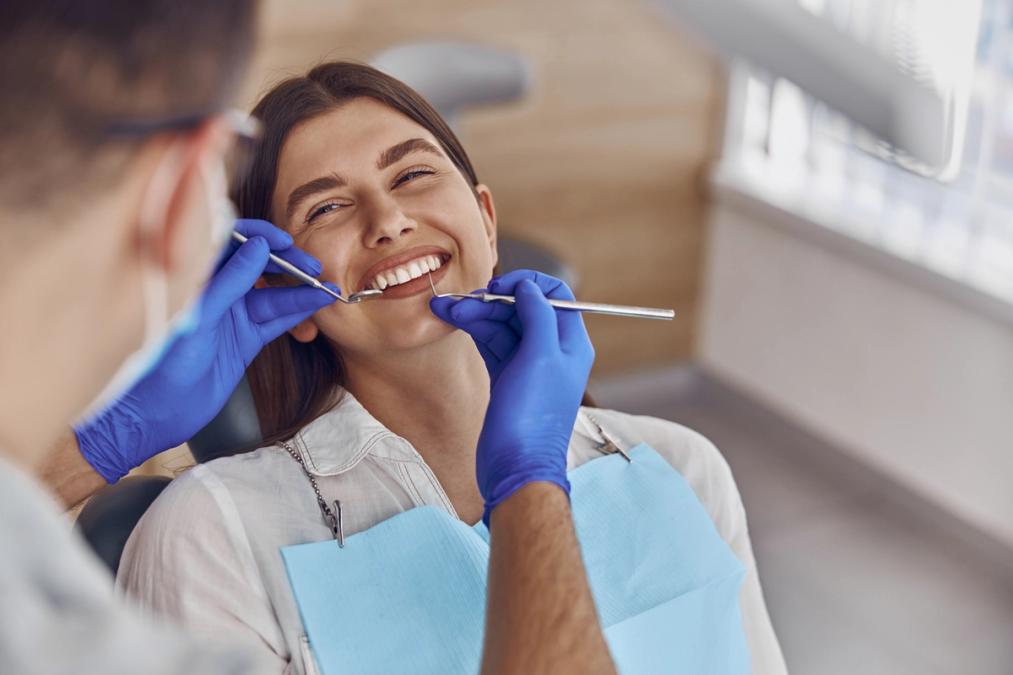
A broken tooth can do more than change your smile—it can change how you eat, how you speak, and how relaxed you feel day to day. If you’ve been chewing on one side, avoiding certain foods, or dealing with sensitivity that comes and goes, you don’t have to “live around it.” At Smart Dental in Richland, our Restorative Dentistry is designed to repair damaged teeth, restore comfortable function, and help you avoid repeat emergencies.
This guide explains what restorative dentistry means in our office, when we recommend common restorative solutions, how we keep you comfortable (including Sedation Dentistry we offer), and what you can do at home to protect your results long-term.
Restorative dentistry focuses on repairing and rebuilding teeth that have been affected by:
Our goal is always the same: stability, comfort, and longevity. We want your tooth (or replacement) to feel natural when you chew, look natural when you smile, and stay predictable over time.
Some restorative problems are obvious, like a piece of tooth breaking off. Others are subtle at first. Call us if you notice:
Even if symptoms come and go, it’s worth evaluating early—small issues are often easier to fix.
When you come in for restorative care, we evaluate more than the tooth itself. We look at:
Then we explain what we see in plain language and outline your options. If there’s more than one good solution, we’ll walk you through the pros and cons so you can choose with confidence.
Restorative dentistry isn’t one procedure—it’s a toolbox. Here are some of the most common ways we rebuild teeth and restore comfort.
Fillings are ideal when damage is limited and the tooth is still structurally strong. We remove decay, rebuild the missing portion with tooth-colored material, and shape it so your bite feels comfortable and natural.
Fillings often help when you have:
A well-shaped filling should feel like it “belongs” in your bite—no high spots, no food traps, and no sharp edges.
When a tooth is weakened—by large decay, fractures, or repeated restorations—a crown can protect it long-term. A crown covers the visible portion of the tooth like a strong protective cap, helping prevent future cracks and breakage.
Crowns are often recommended when:
Crowns are commonly the “save it” solution when the alternative might be repeated repairs or eventual breakage.
If a tooth can’t be saved or is already missing, we’ll talk about replacement options we offer—because gaps can lead to shifting teeth and bite changes over time.
At Smart Dental, we provide:
Your best option depends on how many teeth are missing, your goals, and how you want your teeth to feel day to day.
Sometimes a tooth is too broken, too decayed, or too compromised to restore safely. If that’s the case, we’ll be straightforward and compassionate about it. Removing a problem tooth can be a major relief, and we’ll help you plan what comes next so you’re not left with uncertainty.
We also provide Wisdom Teeth Extractions when those teeth are causing repeated swelling, pain, or hard-to-clean areas in the back of the mouth.
Patients often ask, “Can’t you just do a filling?” Sometimes we can—but not always. Here’s how we think about it:
Our guiding question is: Which option is most likely to keep you comfortable and out of the emergency chair later?
If a tooth is severely compromised, we weigh long-term predictability. Sometimes saving a tooth is possible but may come with a higher chance of repeated problems. Other times extraction is the healthier path. If removal is needed, we’ll discuss replacement options we provide—especially dental implants and snap-in dentures—so your bite stays supported.
Most restorative appointments follow a simple rhythm:
Our goal is that you leave feeling better and informed, not overwhelmed.
Many patients come to restorative visits already stressed—especially if something broke or hurt suddenly. We take comfort seriously. Along with thorough numbing, we offer Sedation Dentistry options, including nitrous oxide and oral sedation, when appropriate.
Sedation can be helpful if you:
You never have to “tough it out.” Tell us what you need, and we’ll build a comfort plan that helps you move forward.
Great restorations last longer when your daily habits support them. Here’s what we recommend:
Brush twice daily and clean between teeth once a day. This helps prevent decay at restoration edges and keeps gums healthy.
Routine cleanings and exams help us spot early issues—like tiny leaks around older fillings or bite wear—before they become painful.
Ice, pens, hard candy, and popcorn kernels can crack teeth and damage restorations.
If a filling or crown feels “high,” it can cause pain and stress the tooth. That’s an easy fix—but only if we know about it early.
Bite forces are one of the biggest causes of cracks and broken restorations. If you notice jaw tightness, morning headaches, or worn edges, tell us so we can help protect your teeth.
If you came to us because of sudden pain or a broken tooth, you’re not alone. Many restorative plans begin with an emergency visit, and then we transition you into a long-term solution so the problem doesn’t repeat. Our goal is always to get you from “urgent and painful” to “stable and predictable.”
If a tooth is broken, sensitive, or simply not functioning the way it should, you don’t have to live around it. We’re here to repair the damage, rebuild strength, and help you chew comfortably again with a plan you can trust.
Call Smart Dental in Richland at (509) 492-2051 to Call Us Today and schedule your restorative evaluation.